
4 Mistakes to Avoid When Flipping a Home
Amy Newcomer • May 19, 2023

Ever since Chip and Joanna Gaines stepped onto the scene, homeowners love finding a home to flip! There is something about turning a rundown shack into a cozy chic home that people cannot get enough of. As a home inspector, it might be smart to warn home buyers of these common mistakes associated with flipping houses.
- Budget, budget, budget. After homeowners find the perfect little neglected house to work their magic on, it is important that they take the time to budget for their renovations before buying. Look at your budget in four parts: house purchase, upgrades and carrying costs, selling costs and cushion. The key here is to clearly identify how much the total repair will cost and estimate how much they should be able to sell it for after the revisions.
- Stress the importance of the home inspection before purchase. When looking at a house that is obviously not ready for move in, it may seem obvious to home buyer as to what needs to be fixed. This, however, is often a mistake that flippers make. Something could easily be hiding under the surface such as mold or a poor foundation. A home inspection is an inexpensive way to avoid making a costly mistake.
- DIY gone wrong. If the house flippers are not professionals, they may run up their costs higher than expected. The home inspection process will need to be done again after the renovation, which may reveal that some issues were not resolved, or new issues were created.
- Building permits. There are building permit requirements that can differ based on city, county or state. It is important for the flippers to keep this in mind when taking on the project. Without doing so, they may run into problems when they go to resale the home.
Although the flipping trend may be all the rage, there are important factors that home buyers should keep in mind. As a home inspector, it is not your duty to mention these points to buyers. However, it may help with your credibility and relationship if you provided information that will help the buyers out.


Flipping older homes has become more popular, and historic properties are especially appealing. But restoring them isn’t always simple—many have been neglected for years and come with challenges you need to understand before getting started. What Should You Know Before Flipping a Historic Home? Historic houses often lack modern systems and features that today’s buyers expect. Start by having a licensed electrician inspect the electrical system, as older wiring can be unsafe. You should also schedule a professional roof inspection and address any issues immediately. Additional upgrades to consider include: Sealing drafty windows Repairing or repointing masonry and foundation Replacing outdated heating and cooling systems Updating plumbing and bathrooms without compromising historic charm What Matters Most When Flipping to Sell? If your goal is resale profit, you must prioritize the repairs that add real value. Focus on structural issues, water damage, septic problems, and pest concerns. These are essential for buyer confidence and long-term home health. A full home inspection will help you identify any hidden problems so you can address them before listing. Cosmetic improvements alone won’t boost the home’s value if major issues are ignored. Interested in restoring a historic home and need guidance? Contact us for expert support.

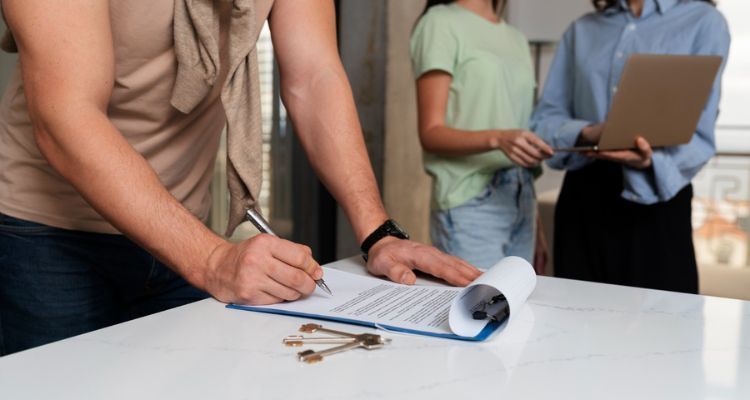
If you’re selling your home but need extra time before moving out, a rent-back agreement can be a helpful option. This arrangement allows the seller to remain in the home for a short period after closing, essentially becoming a temporary tenant of the new owner. These agreements are usually brief and come with a set end date, but they provide valuable time to finish packing and transition into your next home. If you’d like to understand when a rent-back agreement is useful and how to set one up, we’re here to help.
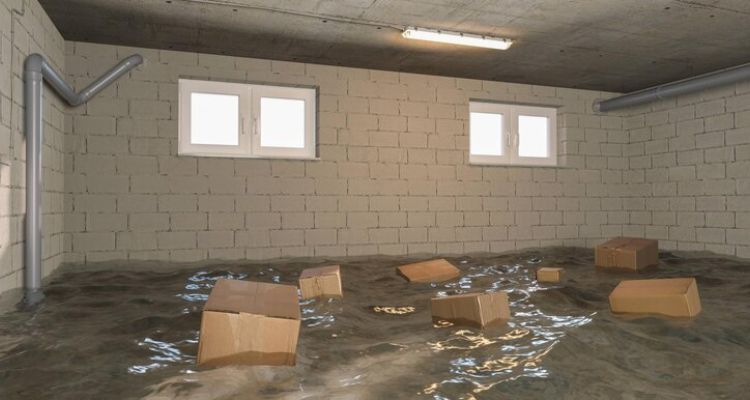
A flooded basement can be overwhelming and costly, often happening with little warning. If you discover water in your basement, stay calm and follow a few essential steps. Start by making sure it’s safe to enter. Turn off the electricity and gas, and watch for damaged wiring or signs of structural issues. In some cases, you may need to wait until all the water is drained before going inside. Once it’s safe, identify the source of the flooding and begin removing or pumping out the water. Afterward, you can focus on repairs and restoring the space. Need help recovering from a basement flood? Contact us for guidance on next steps.

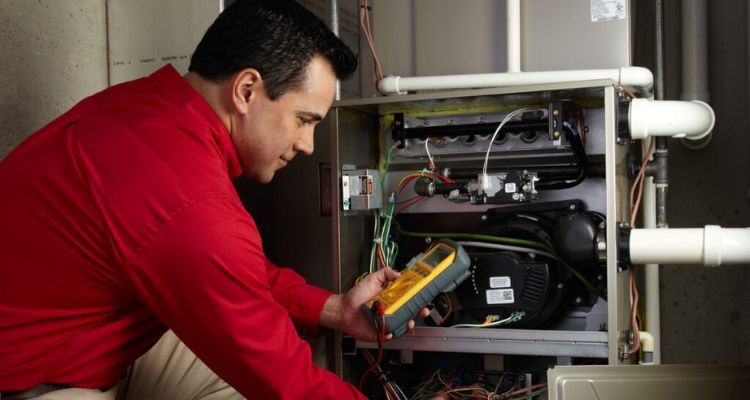
Everyone wants a secure home, but safety involves more than locked doors and basic maintenance. Many risks inside your home can go unnoticed and put your family at risk. Here are five common hazards to watch for: 1. Mold Moisture can lead to mold growth in bathrooms, carpets, walls, and other damp areas. Clean spills and leaks right away and watch for musty smells or discoloration. Use dish soap or non-ammonia cleaners to remove small patches. 2. Cleaning Products Some household cleaners contain harsh chemicals. Choose non-toxic or natural options like vinegar and baking soda whenever possible. If you use chemical cleaners, wear proper protection and keep the area well-ventilated. 3. Radon This invisible, odorless gas can only be detected through testing. Hire a professional or use a radon detector, especially in basements. If levels are high, install a ventilation system to safely redirect the gas outdoors. 4. Carbon Monoxide Carbon monoxide is a deadly gas with no smell or taste. It often comes from fuel-burning appliances with poor ventilation. Have a technician inspect your heating system and gas appliances annually, and install CO detectors. 5. VOCs (Volatile Organic Compounds) Paints, solvents, and certain finishes release VOCs that may harm indoor air quality. Choose low-VOC paint and ventilate rooms well during and after painting.
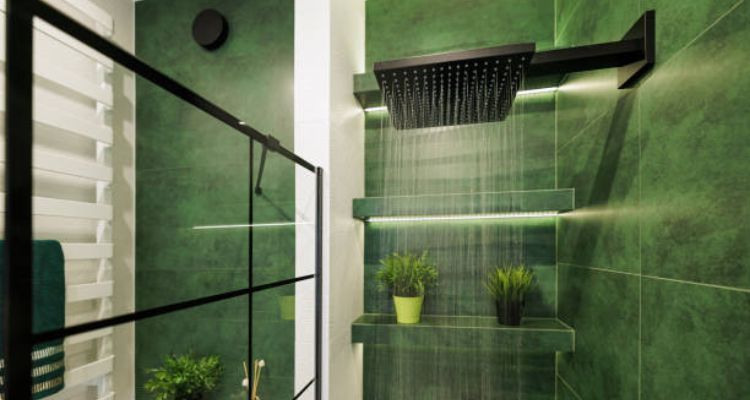
Thinking about remodeling your shower but not sure where to start? There are many ways to improve the space depending on your needs and style. You might switch from a basic shower to a shower–tub combo or add built-in niches and shelves to increase storage. If the layout allows, installing a window can bring in natural light and make the shower feel more open. You can also consider adding a seat, upgrading the door, or choosing new materials to give the space a fresh look. Whatever direction you take, enjoy the renovation process. Need guidance on your shower upgrade? Contact us for expert help.

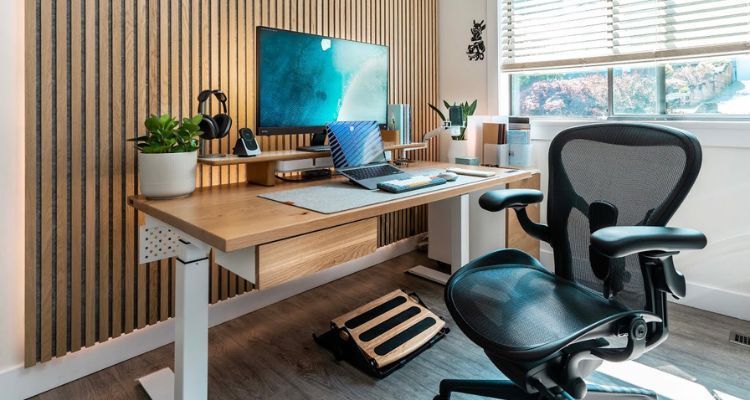
Home offices are more popular than ever, and with that growth come several design and functional trends worth exploring. Hybrid furniture is a great option for those without a dedicated office room — pieces like convertible coffee tables can shift into full workstations when needed. Standing desks are also trending, offering notable health benefits and flexibility. Another shift is toward lighter, minimal storage. Bulky filing cabinets are being replaced with sleeker, space-saving solutions. If you’d like more ideas for organizing or decorating your home office, feel free to reach out.