
Deck it Out - Warning Signs of a Faulty Deck

Amy Newcomer • May 11, 2023

There’s nothing better than a home with a beautiful deck filled with rocking chairs and flowerpots. There is also nothing worse than a deck that could cave in at any moment. Whether it is due to age or poor construction, many decks are at risk making it increasingly important to know what to look for when performing your home inspection.


This issue is something that is often overlooked by both homeowners and inspectors. One of the limited studies done on deck collapses concluded that “224,000 people were injured nationally due to a deck or porch between 2003 and 2007. Of those injuries, 33,000 were a result of a structural failure or collapse”, according to the Consumer Product Safety Commission.


If these facts are concerning to you, here’s what to keep an eye out for when it comes to your deck!

Unstable Railings. If the rails on your porch tend to move around, red flags should be raised. The railing should not be able to move more than half an inch. This can be a scary problem for homeowners because people often tend to put a lot of trust in the railings of the porch, often leaning against them no matter the height of the deck.


Worn or Missing Metal Connectors. Residential code requires decks to have metal connectors to ensure a stable surface. Make sure these metal connectors are in place and are free of corrosion.

Heaved or Dropped Footings. Keep a close eye on heaving or dropped footings. Dropping is typically caused by footings being poured on disturbed soil while heaving is usually a result of freezing conditions. If either of these appear to be present, the deck should most likely be replaced.


 Lack of Flashing. Flashing is used to prevent a buildup of moisture and debris. If this crucial piece is missing, the deck is at risk. This is something homeowners should be aware of before purchasing.

Make homeowners’ decks somewhere they can spend happy hours, barbecues, and family time without the fear of an accident.

Source: https://www.atihomeinspectortraining.com/Blog/DeckitOutWarningSignsofaFaultyDeck

By Amy Newcomer February 20, 2026
By Amy Newcomer February 17, 2026
If you’re selling your home but need extra time before moving out, a rent-back agreement can be a helpful option. This arrangement allows the seller to remain in the home for a short period after closing, essentially becoming a temporary tenant of the new owner. These agreements are usually brief and come with a set end date, but they provide valuable time to finish packing and transition into your next home. If you’d like to understand when a rent-back agreement is useful and how to set one up, we’re here to help.
By Amy Newcomer February 16, 2026
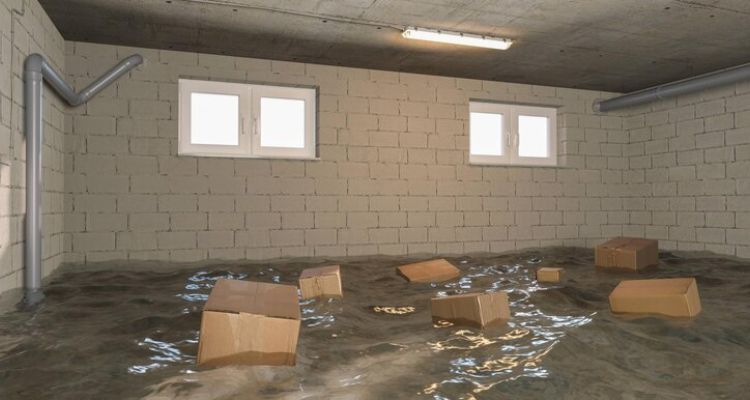
A flooded basement can be overwhelming and costly, often happening with little warning. If you discover water in your basement, stay calm and follow a few essential steps. Start by making sure it’s safe to enter. Turn off the electricity and gas, and watch for damaged wiring or signs of structural issues. In some cases, you may need to wait until all the water is drained before going inside. Once it’s safe, identify the source of the flooding and begin removing or pumping out the water. Afterward, you can focus on repairs and restoring the space. Need help recovering from a basement flood? Contact us for guidance on next steps.
By Amy Newcomer February 13, 2026
By Amy Newcomer February 10, 2026
Everyone wants a secure home, but safety involves more than locked doors and basic maintenance. Many risks inside your home can go unnoticed and put your family at risk. Here are five common hazards to watch for: 1. Mold Moisture can lead to mold growth in bathrooms, carpets, walls, and other damp areas. Clean spills and leaks right away and watch for musty smells or discoloration. Use dish soap or non-ammonia cleaners to remove small patches. 2. Cleaning Products Some household cleaners contain harsh chemicals. Choose non-toxic or natural options like vinegar and baking soda whenever possible. If you use chemical cleaners, wear proper protection and keep the area well-ventilated. 3. Radon This invisible, odorless gas can only be detected through testing. Hire a professional or use a radon detector, especially in basements. If levels are high, install a ventilation system to safely redirect the gas outdoors. 4. Carbon Monoxide Carbon monoxide is a deadly gas with no smell or taste. It often comes from fuel-burning appliances with poor ventilation. Have a technician inspect your heating system and gas appliances annually, and install CO detectors. 5. VOCs (Volatile Organic Compounds) Paints, solvents, and certain finishes release VOCs that may harm indoor air quality. Choose low-VOC paint and ventilate rooms well during and after painting.
By Amy Newcomer February 9, 2026
Thinking about remodeling your shower but not sure where to start? There are many ways to improve the space depending on your needs and style. You might switch from a basic shower to a shower–tub combo or add built-in niches and shelves to increase storage. If the layout allows, installing a window can bring in natural light and make the shower feel more open. You can also consider adding a seat, upgrading the door, or choosing new materials to give the space a fresh look. Whatever direction you take, enjoy the renovation process. Need guidance on your shower upgrade? Contact us for expert help.
By Amy Newcomer February 6, 2026
By Amy Newcomer February 4, 2026
Home offices are more popular than ever, and with that growth come several design and functional trends worth exploring. Hybrid furniture is a great option for those without a dedicated office room — pieces like convertible coffee tables can shift into full workstations when needed. Standing desks are also trending, offering notable health benefits and flexibility. Another shift is toward lighter, minimal storage. Bulky filing cabinets are being replaced with sleeker, space-saving solutions. If you’d like more ideas for organizing or decorating your home office, feel free to reach out.
By Amy Newcomer February 2, 2026
Before finalizing the purchase of a home, it’s important to follow a clear checklist. Start by making sure all contingencies—such as the inspection, appraisal, and financing—are fully resolved. You should also clear the title and secure title insurance to protect yourself from future ownership disputes. Once you receive your final mortgage approval, review your closing disclosure carefully. Then complete a final walk-through to confirm that the property is in the agreed-upon condition. Lastly, gather all required documents so you’re prepared for closing day. If you need more guidance on buying a home, we’re here to help.
By Amy Newcomer January 30, 2026